
Talk to us
08045803595
Talk to us
08045803595
Service Description Soil Testing
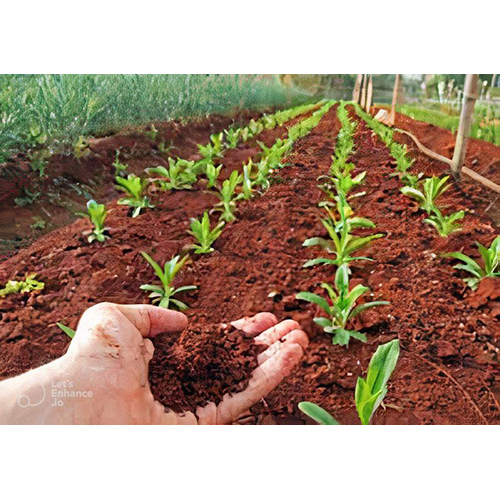
Soil Testing is a laboratory and field service designed to assess the physical chemical and biological properties of soil in order to guide land use decisions agricultural production construction and environmental management. The service provides reliable information about soil health fertility suitability and potential risks.
Key Features
Analysis of soil pH to determine acidity or alkalinity
Measurement of macro nutrients such as nitrogen phosphorus potassium
Assessment of secondary nutrients and trace elements including calcium magnesium iron manganese zinc copper boron etc
Determination of soil organic matter content to evaluate fertility and moisture retention
Evaluation of soil texture density porosity and water holding capacity
Tests for salinity and conductivity to identify soluble salt issues
Heavy metal screening and trace element contamination checks where required
Benefits
Enables optimal fertiliser application reducing waste and cost Improves crop yield and quality through better nutrient management
Supports environmental protection by avoiding over fertilisation and leaching
Helps diagnose soil issues early such as nutrient deficiency toxicity or poor soil structure
Assists in land development and construction through assessment of soil bearing capacity drainage permeability etc when needed
Methodology
Soil sample collection using representative sampling across the field or site to ensure accuracy
Sample preparation including cleaning drying grinding sieving as per standard protocols Laboratory analysis using chemical extraction for nutrients physical tests for texture moisture etc
Data interpretation by experts to provide actionable recommendations on fertiliser use soil amendments pH correction drainage improvements etc
Applications
Agriculture and horticulture for crop planning and soil fertility management
Environmental assessment and remediation for pollution or contamination control
Land development construction to check soil suitability for foundations roads drainage etc
Landscaping gardening and green space management

Price:

Measuring Range : Dependent on analyte; ppm, ppb, CFU/g, mg/kg etc.
Usage & Applications : Testing of food products for safety, quality, chemical and microbiological parameters
Weight : Based on sample volume (variable)
Temperature : Ambient laboratory conditions (18C25C)
Interface : Laboratory analysis, online reporting
Display : Digital reports, computer printouts

Measuring Range : Yield Strength up to 700 MPa
Usage & Applications : Strength Evaluation, Construction Quality Assurance
Weight : As per IS Standard
Temperature : Room Temperature to 400C (Test Range)
Interface : Labbased Manual/Automatic Testing Setup
Display : Digital/Analog Testing Output

Measuring Range : pH: 114, COD: 010000 mg/L, BOD: 01000 mg/L, TSS: 02000 mg/L, Heavy metals: ppbppm levels
Usage & Applications : Industrial, Municipal, Environmental wastewater quality analysis
Weight : Varies depending on sample volume and container (typically 150g to 1.2kg)
Temperature : Sample storage between 2C 8C, testing at ambient lab temperature (20C 25C)
Interface : Lab Sample Submission, Digital Reporting Platform
Display : Digital report provided, Lab equipment has digital/analogue displays

Measuring Range : Elemental Trace to Major Composition, as Per Testing Method
Usage & Applications : Material Composition Analysis, Quality Control, Certification, Research and Development
Weight : As per Sample / Standard
Temperature : Ambient / As per Test Standard
Interface : Lab Based
Display : Digital / Print Report

 Send Inquiry

 Send Inquiry