
Talk to us
08045803595
Talk to us
08045803595
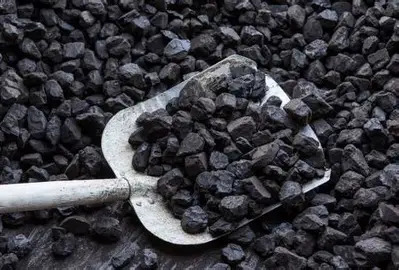
Coal Testing Services provide comprehensive analysis and inspection of coal to ensure that it meets standards for quality performance safety and regulatory compliance Whether youre a coal producer consumer eg power plants steel mills trader or transporter accurate coal testing is essential for optimizing operations minimizing risks and ensuring value
Key Features
Chemical Physical Analysis
Proximate analysis moisture ash content volatile matter fixed carbon
Ultimate analysis elements such as C H N S O
Sulfur speciation trace element analysis
Gross calorific value energy content net calorific value
Washability Float Sink Testing
Determines how coal separates into fractions of varying quality
Helps in beneficiation improving coal quality and handling rejects
Hardness Grindability
Hardgrove Grindability Index HGI to measure how easy or difficult coal is to grind
Assessments for processing and pulverization performance
Special Advanced Tests
Ash fusion temperatures
Coal petrography microscopic structure mineral matter
Swelling indexfree swelling number for coking coal
Size analysis screen analysis particle size distribution
Rheology plasticity for certain coal uses
Sampling Sample Preparation
Proper sampling to ensure representative results
Crushing pulverization screening to standard particle size
Preparation according to required standards ASTM ISO national norms
Quality Assurance Standard Compliance
Testing in accredited laboratories
Following international and local standard methods ASTM ISO etc
Interlaboratory comparisons calibration and audit where needed
Reporting Consultation
Detailed test reports with insight into coal behavior burning emission handling
Interpretation of results for eg how ash content or moisture affects boiler performance
Recommendations for coal blending improvement or suitable applications
Benefits
Improved Operational Efficiency knowing exact coal quality allows processes like combustion drying grinding to be optimized
Cost Savings avoiding poor quality coal that wastes fuel causes slagging or damages equipment
Contractual Regulatory Compliance many contracts and environmental regulations require certifications or properties within specified limits
Risk Reduction accurate testing helps avoid surprises eg high moisture high sulfur which can cause financial penalties equipment damage or environmental issues
Value Maximization higherquality coal can fetch better prices testing helps in blending and marketing
Typical Process Flow
Sample Collection from mines stockpiles shipments during transport
Sample Preparation crushing screening homogenization
Laboratory Testing carrying out required tests as per standards
Data Analysis Reporting interpreting results comparing against benchmarks
Followup consultation or repeat testing if needed tracking over time for quality control
Who Needs This Service
Coal mining washing plants
Power generation companies
Steel cement other industries using coal
Traders and exportersimporters of coal
Regulatory bodies environmental agencies

Price:
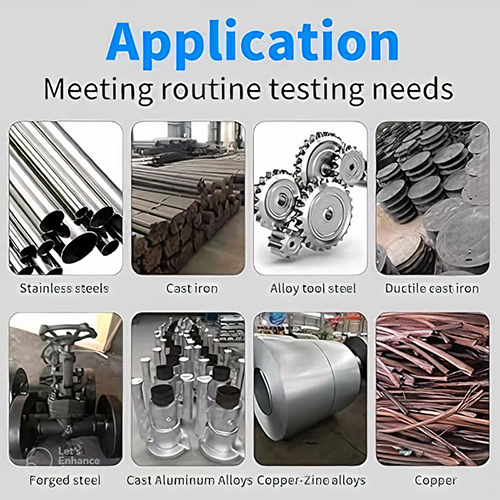
Price 2500 INR / Millimeter
Minimum Order Quantity : 1 Millimeter
Temperature : 050C
Usage & Applications : Industrial, Laboratory, Educational Institutes
Material : Mild Steel
Size : 300 x 300 x 300 mm
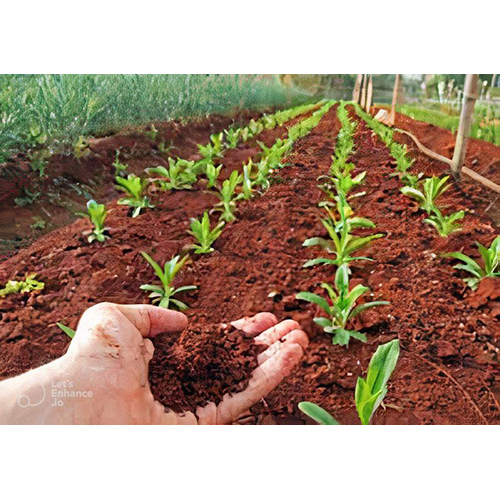
Price 2500 INR / Milliliter
Minimum Order Quantity : 1 Milligram
Temperature : Operating range 0C to 50C
Usage & Applications : Field soil testing, agricultural, horticulture, environmental monitoring
Material : Plastic and metal housing
Size : 20 x 5 x 3.5 cm

Price 2500 INR / Milliliter
Minimum Order Quantity : 1 Millimeter
Temperature : 15C to 30C (Optimal Working Range)
Usage & Applications : Microbiological Analysis, Bacterial Count Testing, Water, Food & Pharmaceutical Quality Control
Material : High Quality Chemical Reagents
Size : Varies According to the Sample Type

Temperature : Sample storage between 2C 8C, testing at ambient lab temperature (20C 25C)
Usage & Applications : Industrial, Municipal, Environmental wastewater quality analysis
Material : Glass Vials, Plastic Bottles, Sample Collection Kits
Size : Standard sizes as per regulatory methods (100 ml, 250 ml, 500 ml, 1 L)

 Send Inquiry

 Send Inquiry